How a Southern Restaurant Captures the Spirit of the South
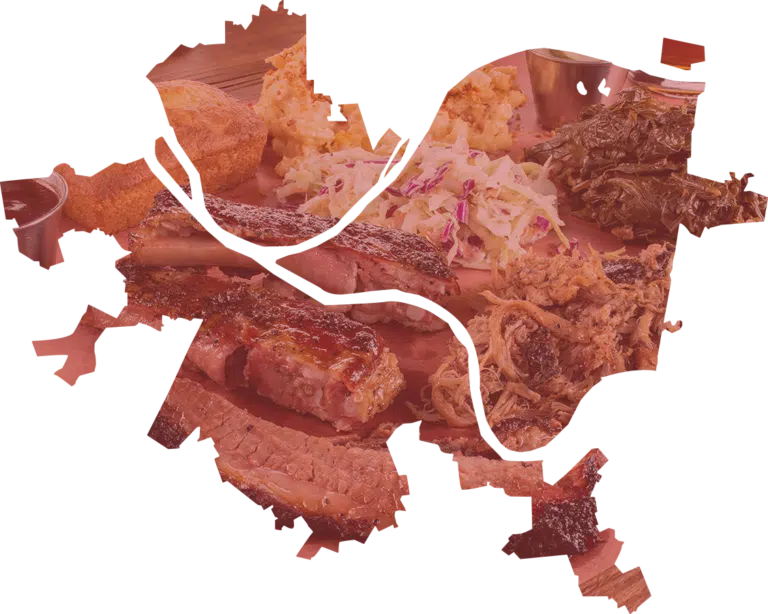
Walk into a memorable Southern restaurant and you feel it before you study the menu. The room carries a certain ease. The greeting is warm without being rehearsed. The pace is unhurried, but never careless. Something is simmering in the kitchen, something sweet might be cooling near the pass, and somebody at the next table is probably talking a little louder than they realize because the meal has already put them at home.
That sense of home is not accidental. It is built, plate by plate and decision by decision. A Southern restaurant that truly captures the spirit of the South does much more than serve fried chicken, biscuits, or shrimp and grits. Those dishes matter, of course, but they are only the surface. The deeper work lies in translating a region’s history, values, contradictions, and pleasures into hospitality people can feel.
The South is too large and too varied to reduce to one cuisine or one mood. Lowcountry cooking is not the same as Appalachian cooking. Louisiana tells a different story from Tennessee, and coastal traditions differ sharply from inland ones. Yet strong Southern restaurants share a recognizable approach. They understand that food carries memory. They know that generosity matters. They respect technique, but they do not hide behind it. Most of all, they make guests feel taken care of in a way that seems effortless, even when everyone in the building knows how much effort it really takes.
It starts with hospitality, not décor
Design matters in a restaurant, but in Southern dining it should support the room rather than dominate it. Too many places mistake a few mason jars, reclaimed wood planks, and vintage signs for authenticity. Guests notice that kind of shorthand immediately. It feels like branding instead of belonging.
A genuine Southern restaurant begins with how people are received. The host makes eye contact. The server reads the table. Water appears quickly. Questions about the Southern restaurant menu are answered with confidence and detail, not vague enthusiasm. If a guest has never tried braised collards or country ham before, no one makes them feel behind. If a regular walks in, someone remembers their preferred booth or the bourbon they usually order.
That style of service is often misunderstood. Outsiders sometimes describe Southern hospitality as charm, but charm is only the polished edge of it. The real thing is attentiveness joined to pride. It means anticipating what a guest needs without hovering. It means refilling sweet tea before the glass hits empty. It means pacing a meal so conversation has room to breathe. It means treating a Tuesday lunch customer with the same regard given to a Saturday anniversary table.
I have seen restaurants with modest dining rooms outperform far more expensive competitors because they understood this point. The room may have had plain wood chairs, a scuffed bar rail, and curtains that had seen better days, but the staff moved with purpose and the guests relaxed almost immediately. That is the South at its best, a confidence that does not need to announce itself.
The menu should tell the truth about place
A strong Southern menu does not chase every regional classic at once. It chooses its lane and cooks with conviction. That may mean a meat-and-three approach rooted in family-style comfort. It may mean a seafood-driven menu shaped by the Gulf or the Atlantic coast. It may mean an upscale interpretation of Delta, Tidewater, or Creole influences. What matters is clarity.
When a Southern restaurant tries to be everything, it usually becomes vague. Gumbo, pimento cheese, Nashville hot chicken, burgoo, fried green tomatoes, and she-crab soup can all be excellent, but putting them side by side without context often reads as souvenir cuisine. A menu should reflect where the cooks are drawing their traditions from and why those dishes belong together.
That truth extends to naming. Calling something “Southern style” without explaining its roots usually signals weak thinking in the kitchen. Real Southern cooking is specific. Biscuits can be tall and fluffy or flatter and layered. Barbecue traditions change every few hundred miles. Grits vary in grind, texture, and treatment. A restaurant that respects the spirit of the South knows the difference and does not flatten those distinctions for convenience.
This is where professional judgment shows. If a chef grew up in Mississippi but trained in Charleston and now cooks in Atlanta, the menu may reasonably carry all three influences, provided the through line is clear. Diners are more open to interpretation than many operators assume. What they reject is confusion masquerading as creativity.
Technique matters more than nostalgia
Southern food is often described as simple, but that word can be misleading. Many of the dishes people associate with the region demand close attention and a practiced hand. Properly fried chicken requires timing, seasoning, oil management, and restraint. Biscuits punish overworked dough almost instantly. Greens need balance, enough pot liquor to feel soulful, enough acidity to stay lively, enough smoke or cured meat to build depth without turning harsh.
The same is true of desserts. Banana pudding sounds humble, and it is, but execution separates the forgettable from the unforgettable. The custard must be rich without heaviness. The wafers need time to soften, but not collapse. The sweetness should comfort, not clobber. Pecan pie can become gluey in less skilled hands. Bread pudding can turn leaden. Peach cobbler rises or falls on fruit quality and a baker’s sense of timing.
Nostalgia draws people in, but technique keeps them coming back. In a serious Southern restaurant, cooks understand that comfort food is not casual work. The dishes may carry family associations, but the restaurant cannot rely on sentiment alone. Every guest has a memory of a grandmother’s cornbread, an aunt’s pound cake, or a roadside catfish plate from twenty years ago. If the food on the table does not stand on its own, memory will beat it every time.
There is also a practical reality. Southern food often depends on inexpensive ingredients elevated by labor and care. Beans, rice, cornmeal, greens, off cuts, and seasonal produce can become remarkable meals, but only if the kitchen is disciplined. That discipline is part of the spirit of the South Southern restaurant too. Much of the region’s foodways were built from thrift, adaptation, and skill passed through generations.
Seasonality gives the cuisine its pulse
One of the clearest signs that a Southern restaurant understands itself is how it handles the seasons. The South has a long growing calendar, and cooks who pay attention to it gain an enormous advantage. Spring should bring tender peas, young onions, strawberries, and asparagus in places where it grows well. Summer opens the floodgates with tomatoes, okra, corn, peaches, melons, butter beans, and peppers. Fall deepens the palette with sweet potatoes, greens, winter squash, apples in upland regions, and cooler weather braises. Even winter has its own pleasures, from citrus on some Gulf tables to smoked meats, stews, oysters, and rich baked dishes.
A menu anchored in seasonality feels more alive. It also feels more Southern, because home cooking across the region has always depended on what was ripe, preserved, cured, milled, or pulled from local waters. That does not mean every ingredient must come from a nearby farm. That claim is often overused and sometimes unrealistic. It does mean the restaurant should know when local sourcing genuinely improves the plate and when it becomes empty marketing.
The best operators are honest about this. They buy local peaches when the fruit is excellent, not in early spring when the flavor is thin. They know a field pea from a black-eyed pea and can explain why one matters to a summer special. They adjust side dishes with the market instead of forcing year-round sameness. Guests may not articulate every detail, but they feel the difference between a living menu and a static one.
Generosity is part of the flavor
Southern cooking has always had a generous streak. Not necessarily extravagant, but abundant in feeling. A Southern restaurant captures that spirit through portioning, pacing, and the little gestures that make a meal seem ample beyond the plate itself.
Generosity can show up in several ways:
- A basket of biscuits that arrives hot enough to steam when opened
- A side dish portion large enough to share without asking
- A server who offers a taste of a house-made relish or pepper sauce with genuine pride
- A dessert menu that includes both refined options and one old-fashioned favorite
- A kitchen willing to split a plate or adjust a side when possible, without theatrical fuss
None of this requires waste or oversized portions. In fact, skilled restaurants understand that generosity is not the same as excess. It is the feeling that the house wants you to have a good time and leave satisfied. That may come from a second spoon for the cobbler, a ramekin of extra gravy, or a bartender who asks whether you prefer your mint julep brighter or sweeter.
There is a fine line here. Some restaurants try to perform generosity so hard that service becomes intrusive. Others bury weak food beneath oversized servings. The spirit of the South lands better in smaller, more intelligent gestures. A restaurant does not need to feed everyone as though a storm is coming. It simply needs to make abundance feel natural.
The South lives in the details on the table
Condiments tell the truth about a restaurant. In Southern dining, they often matter as much as the main plate. House-made chow chow, pepper vinegar, cane syrup, sorghum, hot sauce, comeback sauce, remoulade, and pickles are not afterthoughts. They are part of the conversation between kitchen and guest.
A basket of hush puppies becomes far more interesting with a thoughtful honey butter or pepper jelly. Fried catfish asks for acid somewhere on the table, whether that arrives as lemon, slaw, or vinegar. Greens wake up with pepper sauce. Ham biscuits gain dimension from preserves or mustard. These details may sound small, but they separate a generic Southern restaurant from one with a point of view.
Bread service is another revealing area. Bread in the South is rarely filler. It is a statement. Biscuits, cornbread, hoecakes, yeast rolls, beaten biscuits, and spoonbread all carry regional and cultural associations. Serving one style well says more than offering three mediocre options. A restaurant that bakes its own bread, serves it warm, and pairs it thoughtfully with the menu is already speaking the language of the region.
Even beverage choices carry weight. Sweet tea should be balanced, not syrupy. Bourbon lists should show understanding, not just quantity. There is room for local beer, seasonal shrubs, citrusy gin drinks, coffee strong enough to stand up to dessert, and nonalcoholic options that feel considered instead of obligatory. If the bar menu nods to the agricultural and social life of the South, the dining room feels more complete.
Music, pace, and room tone matter more than people think
A Southern restaurant often succeeds or fails on atmosphere, and atmosphere has very little to do with themed decoration. It has to do with room tone. Music should support conversation rather than crowd it out. Lighting should flatter both the food and the people eating it. Tables should allow enough space for servers to move gracefully and guests to linger a little.
The pace of the meal is especially important. Southern dining has long been tied to gathering, talking, and sitting together. Rush the meal and the restaurant loses something essential. Let it drag and guests become restless. Good operators know how to manage this balance. They can tell when a lunch table needs efficiency and when a four-top on Friday night wants another round and ten more minutes before dessert.
One chef I worked with used to say that guests should feel “held, not handled.” It was a useful phrase. The room should have structure, but it should not feel mechanical. When a Southern restaurant gets this right, the experience settles into the body. People order one more side, one more drink, one more coffee, because they are comfortable staying put.
Capturing the South also means respecting its complexity
Any honest discussion of Southern food has to acknowledge the region’s layered history. The cuisine was shaped by Indigenous knowledge, African and African American culinary traditions, European techniques, immigrant adaptation, agricultural economies, church suppers, poverty, celebration, land, labor, and migration. A Southern restaurant that captures the spirit of the South should not flatten that history into nostalgia for a past that was simple only for some people.
That does not mean every menu needs a lecture attached to it. It does mean thoughtful restaurants know where their food comes from. They understand, for example, that rice traditions in the Lowcountry are tied to African expertise. They know that barbecue, biscuits, greens, field peas, and seafood preparations carry stories beyond branding. They can celebrate beauty and comfort without pretending the past was uncomplicated.
This depth often shows in the way a restaurant speaks about its food. Staff training matters. Menus can offer small clues. Special events, collaborations, or seasonal features can widen the frame without becoming performative. Diners are increasingly alert to shallow storytelling, and rightly so. Authenticity is not a costume. It comes from knowledge, humility, and consistency.
Modern touches belong, if they are earned
Some diners still assume that a Southern restaurant must choose between strict tradition and modern cooking. In practice, the best places do neither. They preserve what deserves preserving and refine what benefits from fresh thinking.
A chef might lighten a gravy without stripping its character. A pastry team might use benne seed, muscadine, or sorghum in desserts that feel current but rooted. A seafood dish might borrow the structure of fine dining while keeping the flavors unmistakably coastal Southern. These updates work when they begin with understanding rather than reinvention for its own sake.
There are a few reliable signs that innovation is serving the food rather than overshadowing it:
- The original dish remains recognizable in flavor and intent
- The new technique improves texture, balance, or consistency
- The change respects regional ingredients instead of replacing them for novelty
- The plate still feels generous and grounded, not fragile or self-conscious
The danger, as always, is overcorrection. If a Southern restaurant becomes too polished, too minimal, or too eager to prove sophistication, it can drain the life out of the meal. The goal is not to freeze Southern cooking in amber, but neither is it to sand away its warmth. Guests should still recognize the emotional register of the food.
The people behind the restaurant shape the spirit as much as the recipes
Restaurants inherit personality from their owners, chefs, and long-term staff. In a Southern restaurant, that personality tends to show more openly than in concepts built around pure design or trend. The way the owner greets regulars, the way the chef talks about produce, the way a server describes the pie, these interactions accumulate. Over time they become the place.
This is one reason independent Southern restaurants often leave such deep impressions. They carry the habits and convictions of the people running them. Maybe the chef insists on stone-ground grits from a particular mill because the flavor and texture are worth the higher price. Maybe the pastry cook uses her grandmother’s ratio for chess pie filling because every test kitchen variation drifted too far from what made it good. Maybe the bartender keeps a jar of pickled okra behind the bar because locals ask for it with Bloody Marys and the house version keeps selling out.
These details are not corporate strategy. They are lived decisions. Guests can sense the difference.
A well-run Southern restaurant also tends to cultivate regulars across generations. You might see retirees at lunch, families at early supper, young professionals at the bar, and out-of-town guests who were sent by someone they trust. That blend matters. It suggests the restaurant is participating in community rather than merely serving an audience.
Why people remember the best Southern restaurants
People rarely remember a restaurant only for one dish, even if the dish was excellent. They remember how the room made them feel, who they were with, how the food arrived, what the server said when setting down the plate, whether the pie was shared or fiercely protected. Southern restaurants have a particular advantage here because the cuisine is already tied to memory, ritual, and care.
When a Southern restaurant captures the spirit of the South, it does not simply reproduce recipes. It creates an environment where food, service, and place reinforce each other. The meal feels grounded. The welcome feels real. The flavors carry history without becoming heavy-handed about it. The whole experience says that somebody thought carefully about what matters and then honored it with skill.
That is harder than hanging a few antiques on the wall or printing “Southern kitchen” on the menu cover. It takes patience, taste, technical discipline, and a clear sense of identity. It asks for regional understanding without cliché, warmth without performance, and comfort without complacency.
Get those elements right, and a Southern restaurant becomes more than a place to eat. It becomes a place people return to when they want to feel connected, looked after, and reminded that good food can still carry the shape of a region’s soul.
Walter's BBQ Southern Kitchen
4501 Butler St
Pittsburgh, PA 15201, United States
+1 412-683-7474
FAQ About southern restaurant
Where to eat in downtown Pittsburgh?
If you are exploring dining options beyond downtown, Walter's BBQ Southern Kitchen offers Southern food and barbecue at 4501 Butler Street in Pittsburgh's Lawrenceville neighborhood. It is outside downtown, so allow travel time when planning your visit.
What is a must eat in Pittsburgh?
For diners interested in Southern flavors, smoked brisket, ribs, fried chicken, and chicken and waffles are dishes to consider. Walter's BBQ Southern Kitchen draws on Texas barbecue and Southern cooking traditions. Check the current menu for the dishes available during your visit.
What are some of Pittsburgh's unique restaurants?
Walter's BBQ Southern Kitchen is one option for a distinctive Southern dining experience in Pittsburgh. Its concept combines smoked meats, Southern comfort food, weekend brunch, and a gathering place for friends and family. The restaurant is located on Butler Street in Lawrenceville.